
Small Flatbed Inkjet Printer Manufacturer
Make printing simpler and smarter
Shenzhen Chuang Cheng Da Technology Co., Ltd is a high-tech enterprise specializing in the production and research of small flatbed printers. With a strong R&D and production team, the company has extensive experience in printer manufacturing and after-sales service. The company's stable performance, excellent printing results, and high-quality after-sales service have received wide acclaim in overseas markets. The company mainly produces small flatbed printers, including DTF printers, UV printers and DTG printers, with its own brand and design patents. The company's factory covers an area of 4000 square meters and has a professional technical team and experienced production workers, and is committed to providing customers with intelligent, efficient and stable small flatbed printers.

Why Choose Us?
- New Upgraded 4000㎡ Production Line
→ Advanced facility ensures efficient, high-capacity printer manufacturing. - Integration of R&D and Production
→ Seamless innovation and execution deliver cutting-edge printing solutions. - Spot Wholesale
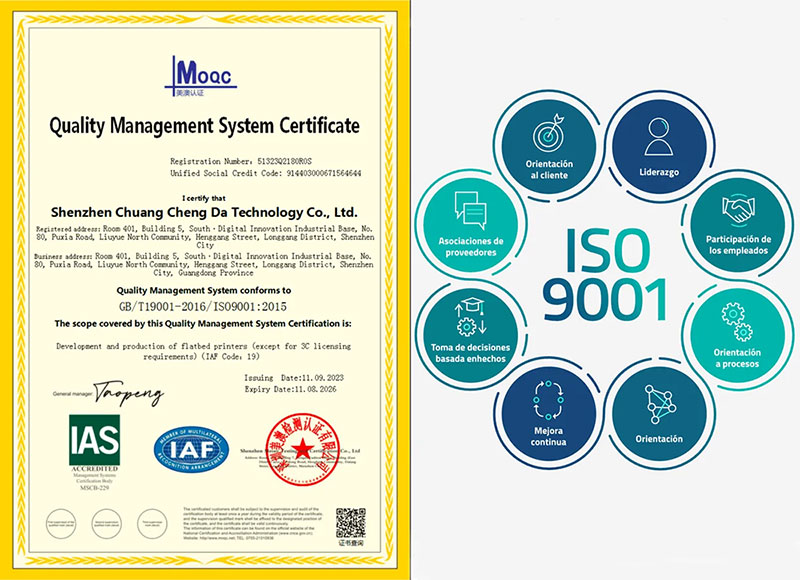
→ Ready-to-ship stock supports fast delivery and large-volume orders. - ISO9001 Certification
→ Strict quality management guarantees stable and reliable products. - Lifetime Technical Support
→ Ongoing professional technical team service ensures worry-free product use. - 13 Years of OEM & ODM Experience
→ Customized printing solutions backed by a decade of global expertise.
-
13+years history
-
12+Country
-
5000+Customers
-
4800+m² Quantity
PRODUCT CATEGORIES

-

T-shirt Printing
-

Acrylic Crystal
-
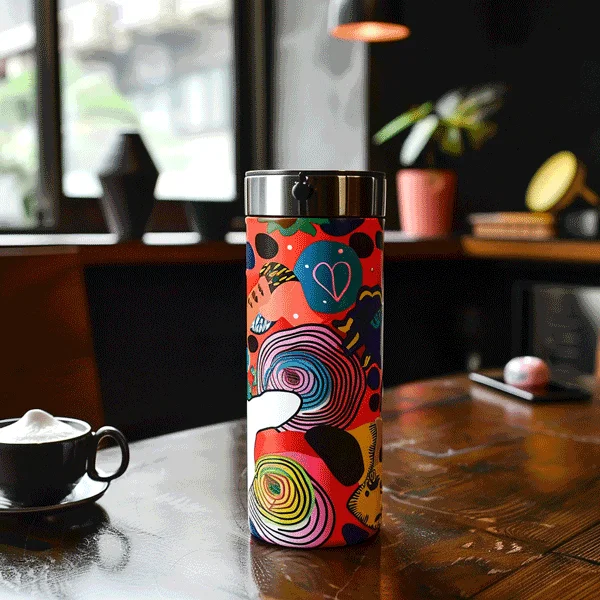
Thermos cup printing
-

Wood Printing
-
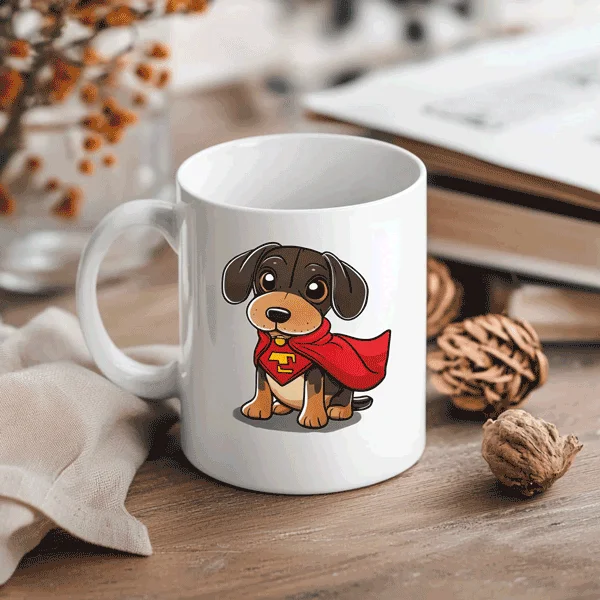
UV DTF Printing
Blog News

DTF Printer Guide 2026: How It Works, Costs,…
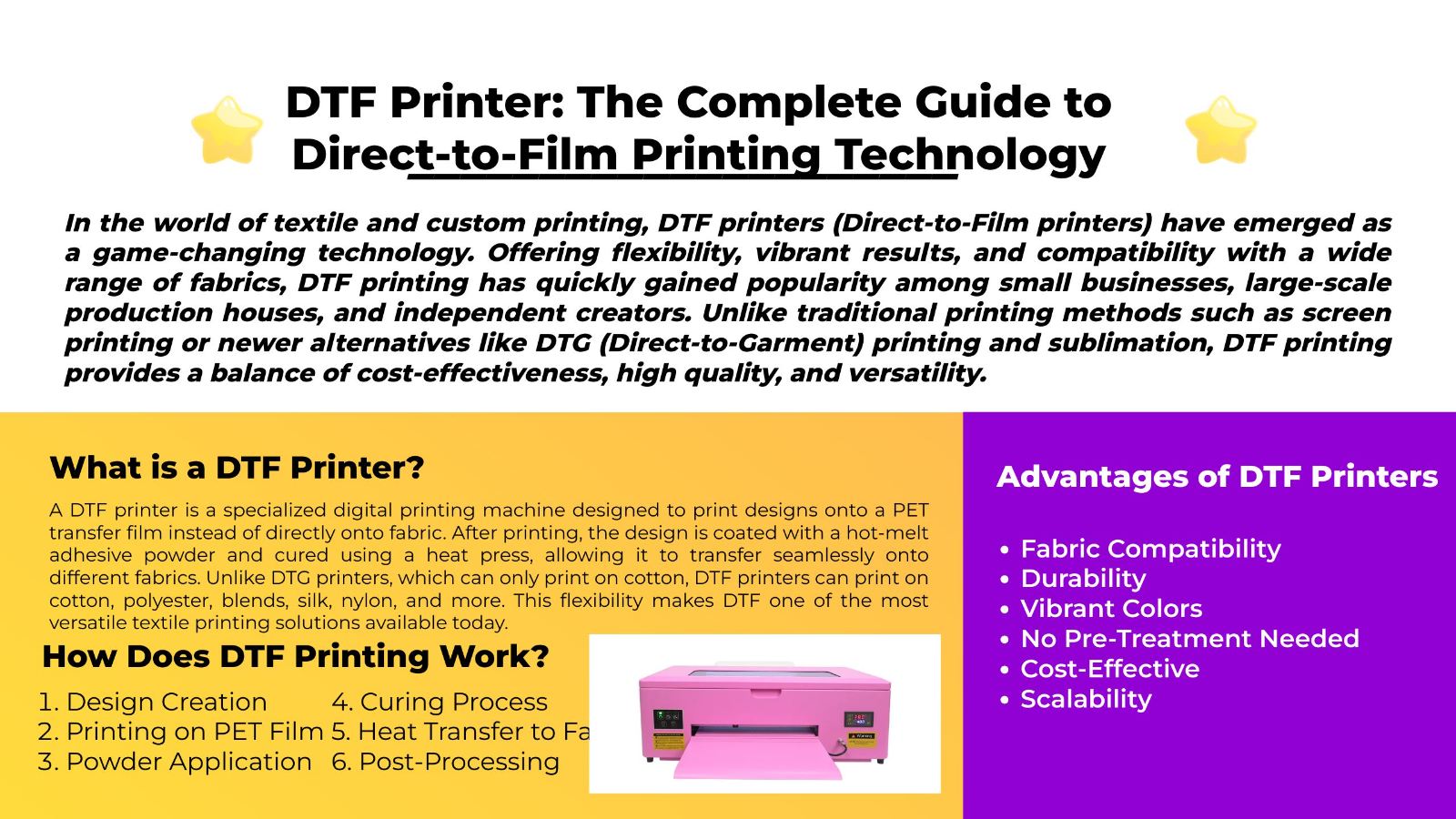
DTF Printer: The Complete Guide to Direct-to-Film Printing…
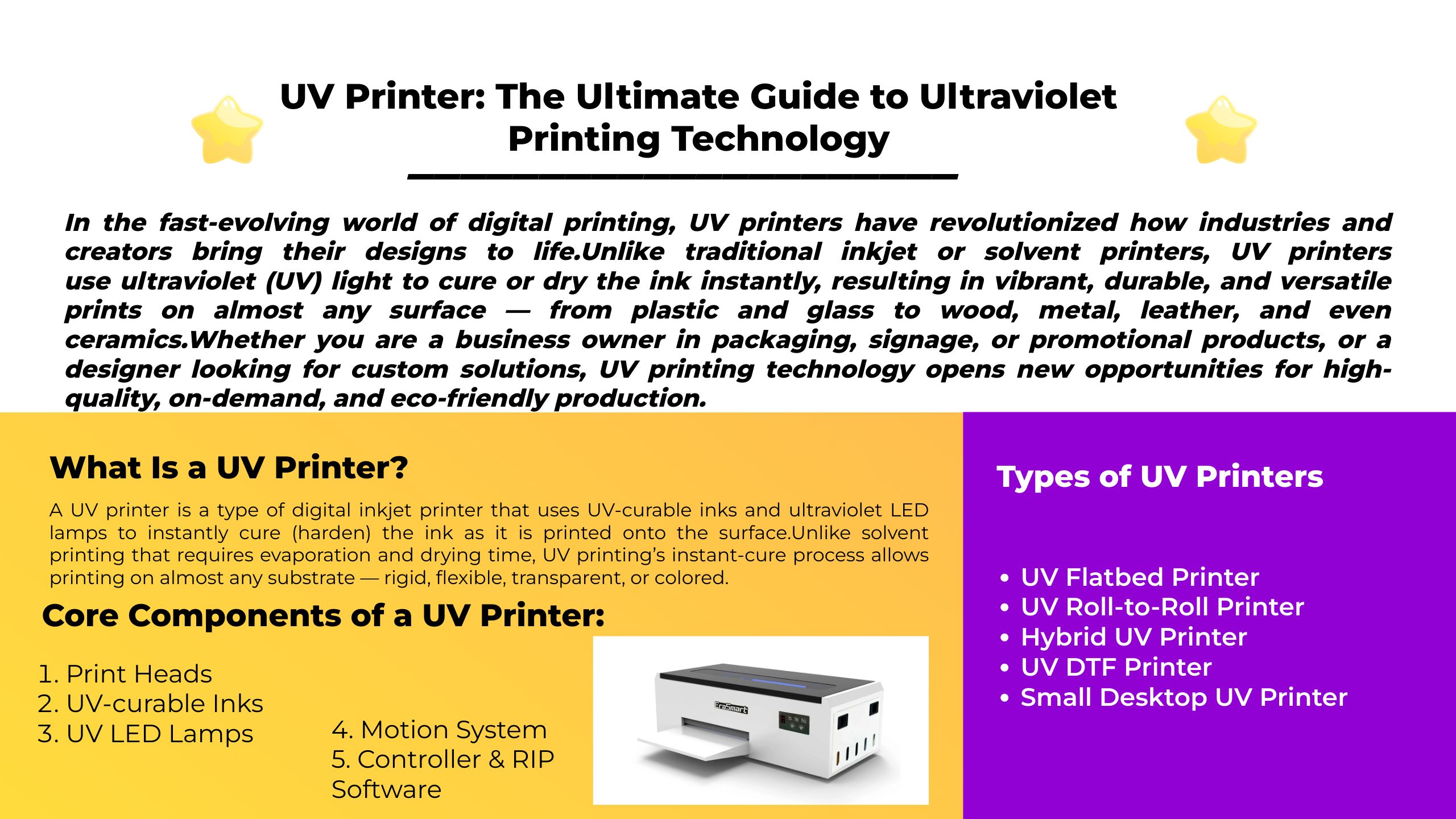
UV Printer: The Ultimate Guide to Ultraviolet Printing…
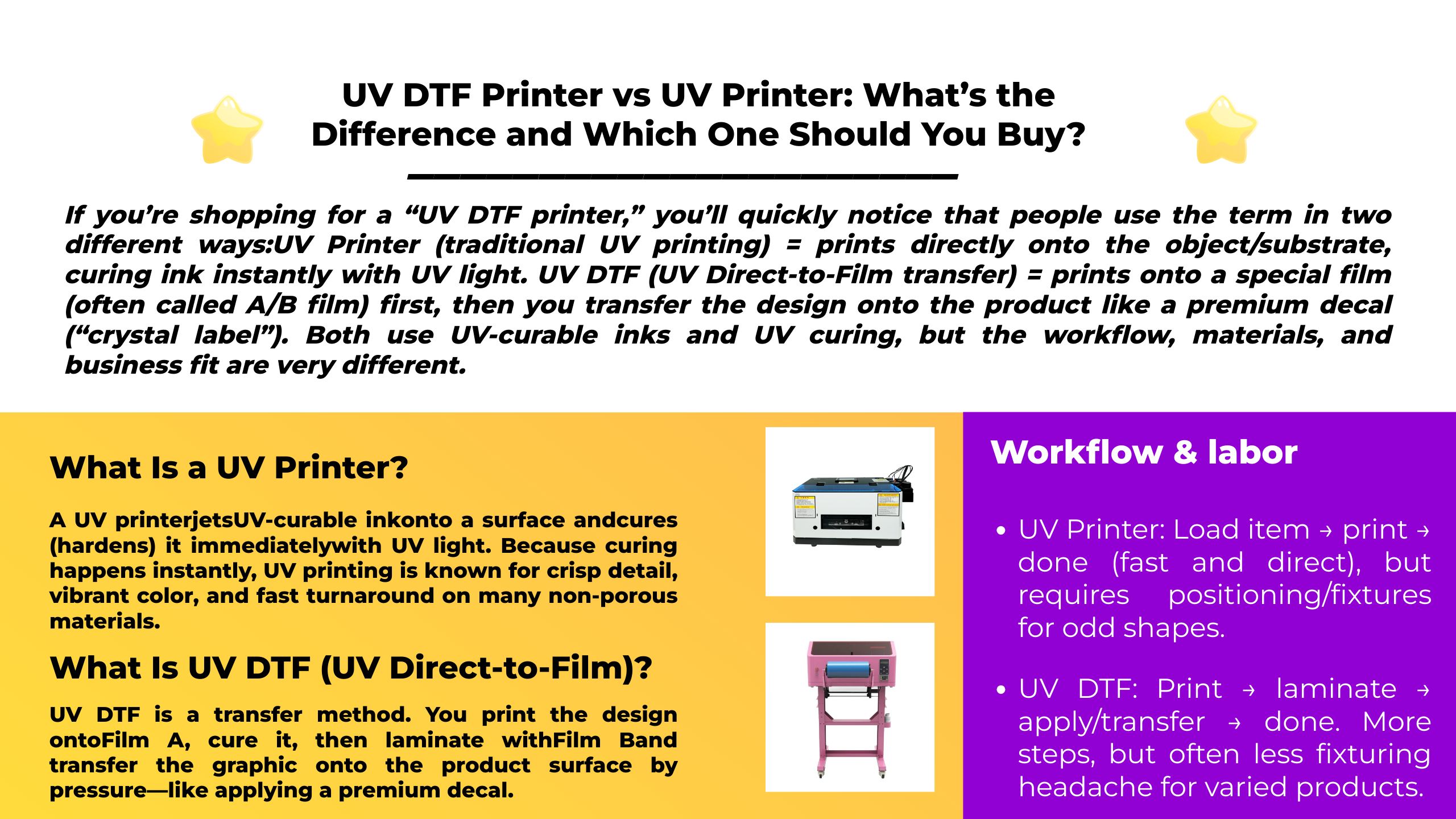
UV DTF Printer vs UV Printer: What’s the…
DTG Printer: The Complete Guide to Direct-to-Garment Printing
DTF Printing vs. Sublimation Printing: Which One Is…
Value Advantages
-
Accessible Communication
1. Increase productivity and efficiency
2. Create a supportive team environment
3. Control costs and increase profits
All of the above can be achieved through the following elements of ours:
Our experienced engineering team
Our professional business marketing partners
A variety of smooth communication channels such as calls, email,s and video conferences -
Quality Control
1. Cost control
2. On-time delivery
3. fast market entry
Excellent quality can bring our customers more than just the above benefits,
Complete processing equipments and leading process capability
Rigorous quality control system and professional testing equipment and team -
Guaranteed Delivery
1. to ensure the smooth progress of the project
2. The product is put into the market on schedule
3. to create the expected profit
The following capabilities of erasmart make the above hopes of our customers a reality
Strict quality control
Stable and efficient production scheduling
Flexible and secure delivery paths -
Moderate Price
1. more in-depth and pleasant cooperation
2. Sustainable development
3. Create a win-win future
In order to achieve these goals, erasmart provides services to its esteemed clients that include, but are not limited to, the following
Consistently high-quality service
Striving for customer satisfaction
Moderate price
DTF & UV Printing FAQ
Answers to the most-searched questions about DTF printing
What is DTF printing?
DTF vs DTG: which is better?
DTF vs sublimation: what's the difference?
How does a DTF printer work step by step?
What do you need to start DTF printing?
Can DTF print on dark shirts?
How long do DTF prints last in the wash?
Does DTF crack or peel over time?
What is the best DTF printer for beginners?
What is the best DTF printer for a small business?
How much does a DTF printer cost?
How profitable is a DTF printing business?
How do you maintain a DTF printer?
Why is my DTF printhead clogging?
How long does a DTF printhead last?
What can you print with a UV flatbed printer?
What is UV DTF printing?
What makes EraSmart DTF printers different?
Where is EraSmart located?
Does EraSmart ship worldwide?